
Raven Sounds
Handmade Bronze Gongs
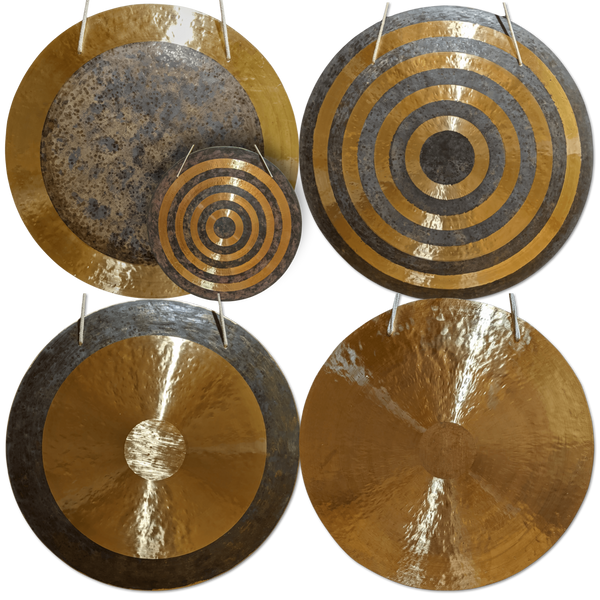
Raven Sounds gongs are handmade bronze — 80% copper, 20% tin — made for us by a Wuhan workshop we've worked with for years. Styles run from the traditional Chau to lathing patterns we developed ourselves: Sun, Eclipse, Horizon, and the Solar variants.
Named styles are listed 18" to 32"; Random Note gongs start at 16". Every named-style gong is recorded in our sound room, and the recording is the exact instrument that ships; Random Note gongs skip the recording, which is why they cost less. Named-style gongs come with a Cosmic Tones mallet. Free US shipping.
-
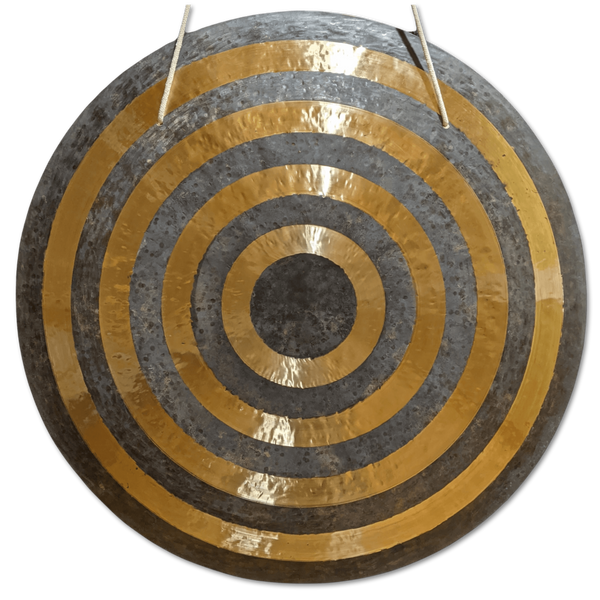 Raven Sounds
Sun Gong
From€213,95 -
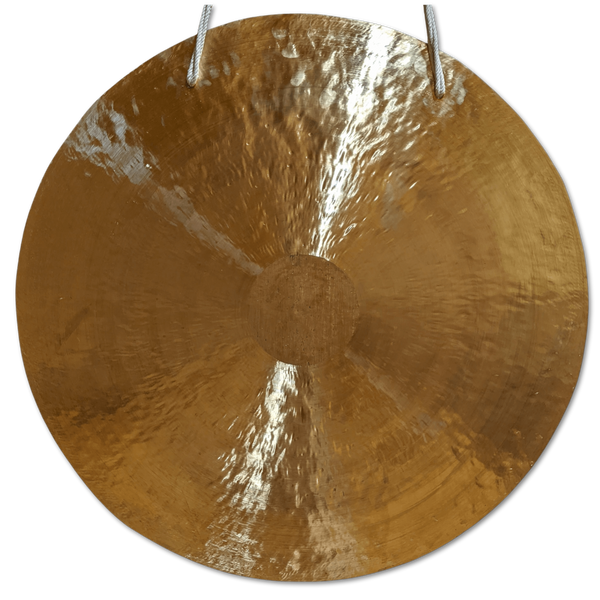 Raven Sounds
Wind Gong
From€213,95 -
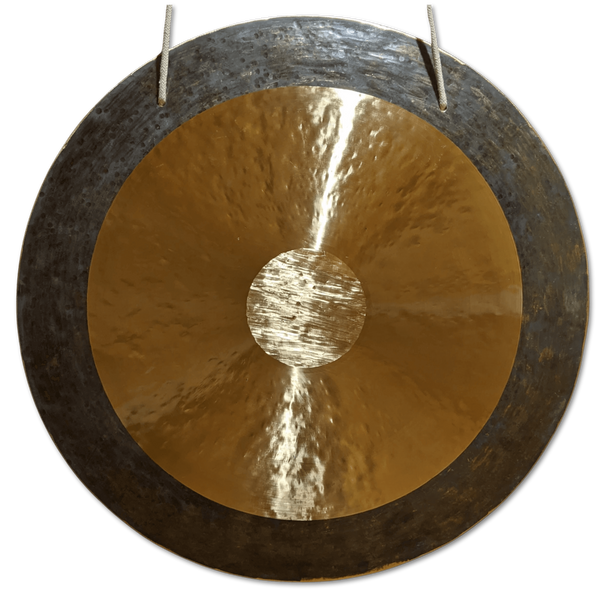 Raven Sounds
Horizon Gong
From€213,95 -
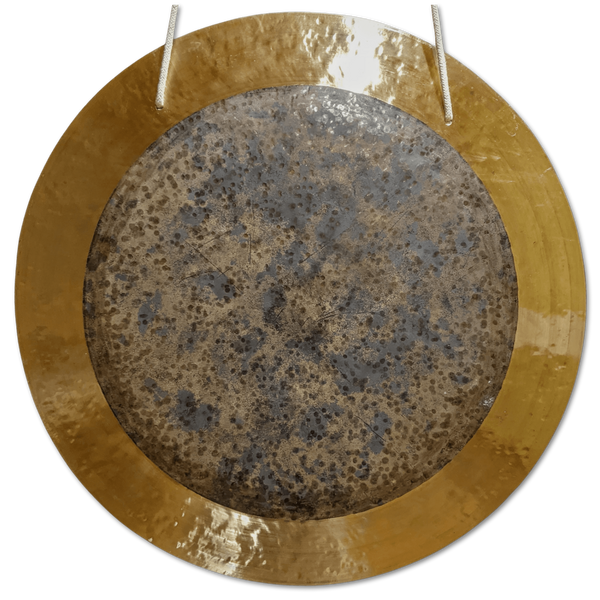 Raven Sounds
Eclipse Gong
From€213,95 -
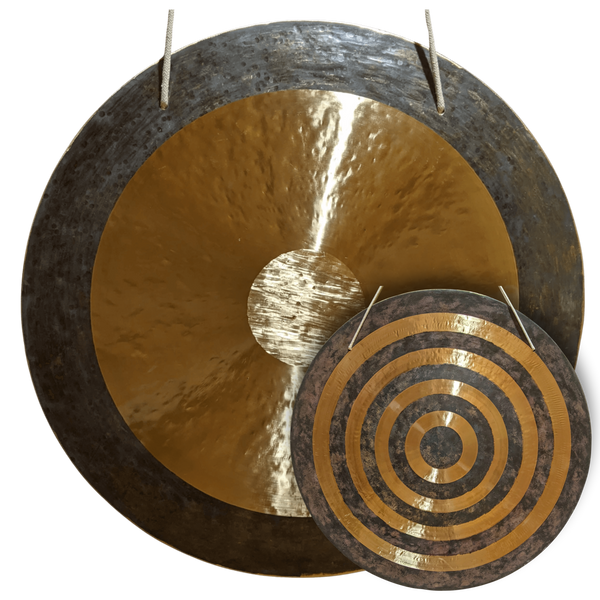 Raven Sounds
Solar Horizon Gong
From€224,95 -
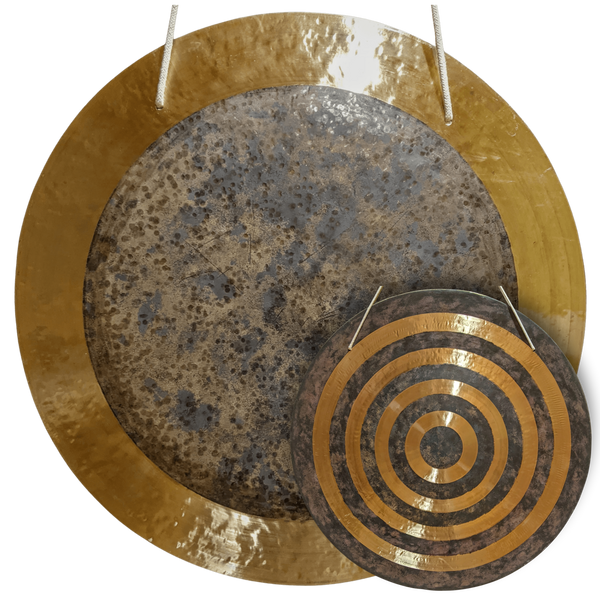 Raven Sounds
Solar Eclipse Gong
From€224,95 -
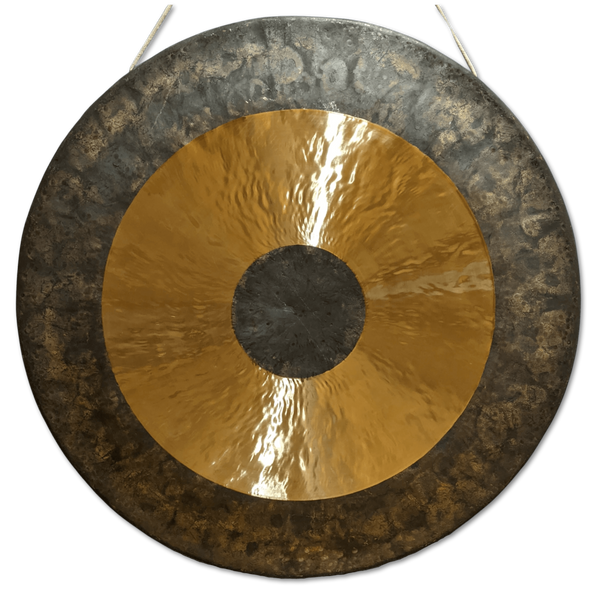 Raven Sounds
Chau Gong
From€224,95 -
Sold out
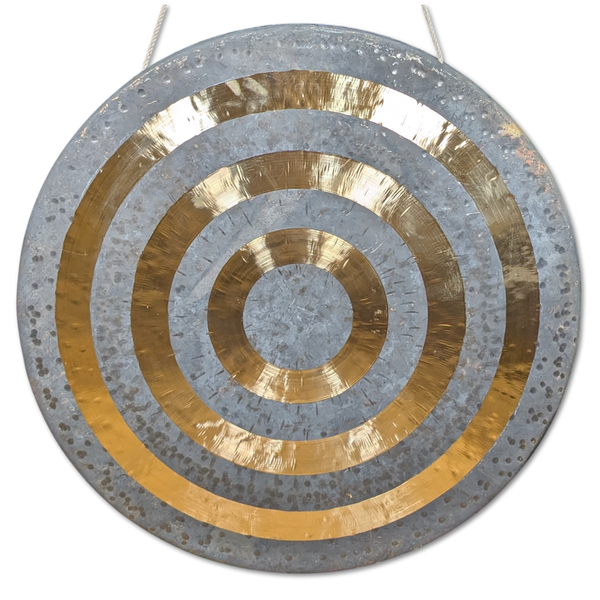 Raven Sounds
Solar Chau Gong
From€213,95 -
 Raven Sounds
Random Note Gongs
From€136,95
