
Gong Mallets
Strike and friction mallets for gongs of every size — from Grotta Sonora and Ollihess, plus our own Cosmic Tones mallet, handmade in the USA and included free with every Raven Sounds gong. Head weight and material shape the sound: soft, heavier heads bring out the fundamental; firmer heads raise the overtones; friction mallets draw out sustained, singing tones.
Size guidance is on each product page. Find a matching instrument in the full gong collection.
-
41% off
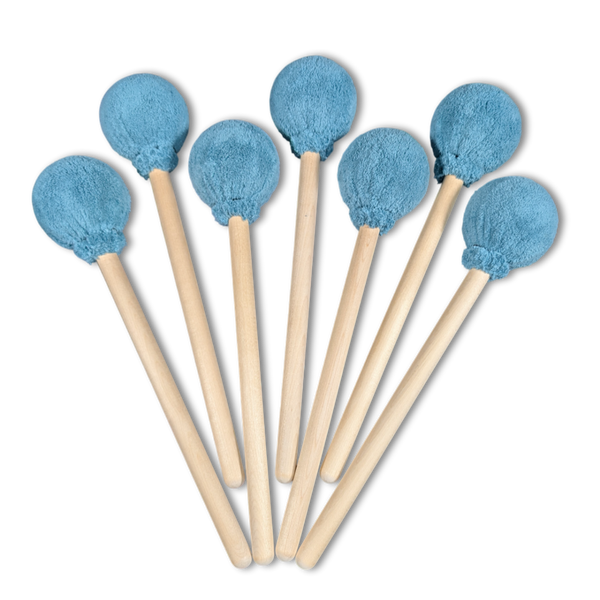 Raven Sounds
Cosmic Tones Gong Mallet
$49$29 -
41% off
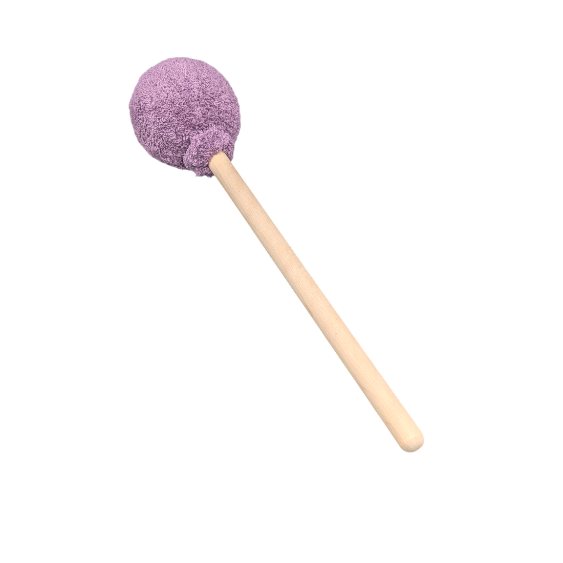 Raven Sounds
Mid-Tones Gong Mallet
$59$35 -
 Grotta Sonora
Grotta Sonora Big Gong Mallet
$129 -
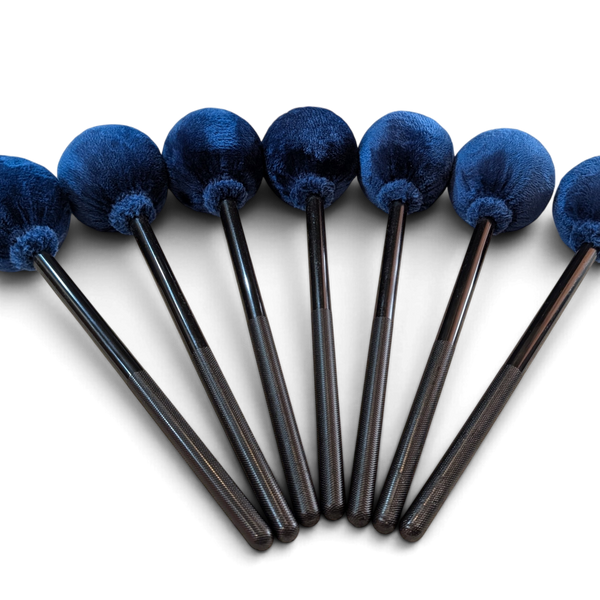 Grotta Sonora
Grotta Sonora Medium Gong Mallet
$99 -
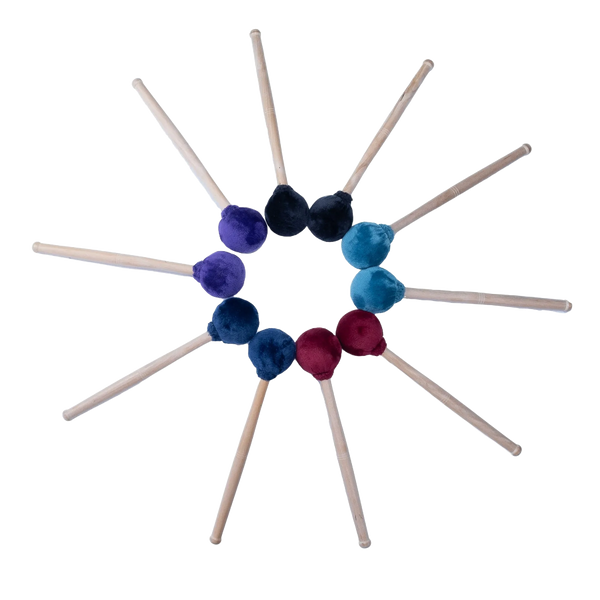 Grotta Sonora
Grotta Sonora Small Gong Mallet
$79 -
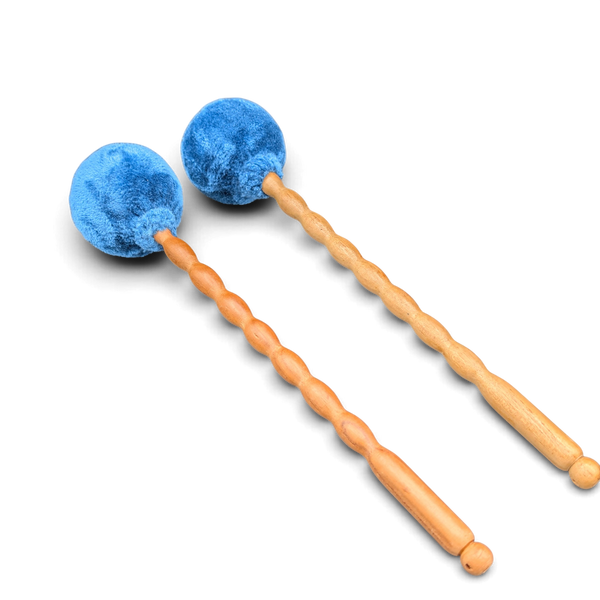 Grotta Sonora
Grotta Sonora Roller Mallet Pair
$109 -
23% off
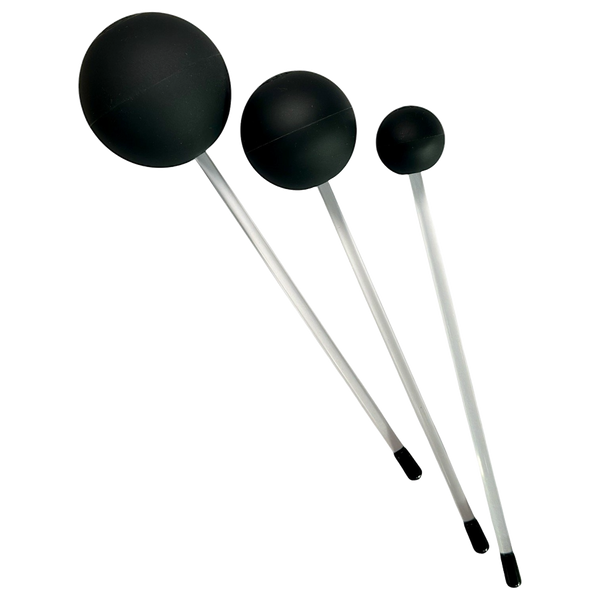 Grotta Sonora
Grotta Sonora Friction Ball Set
$129$99 -
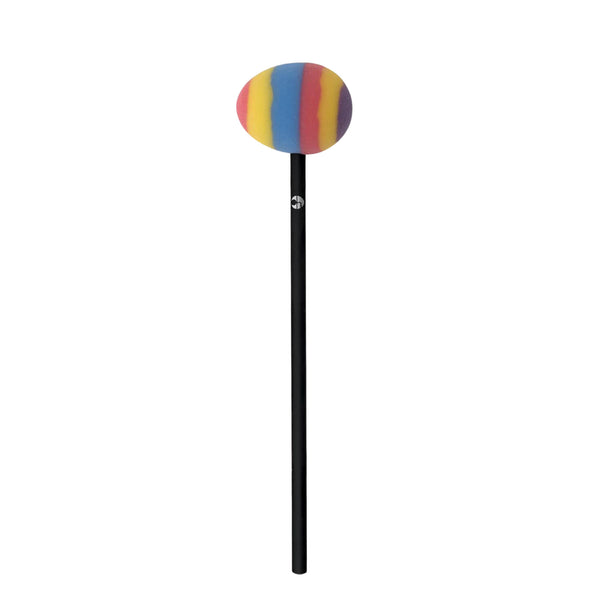 Ollihess
Ollihess Crazy Egg Friction Mallet
$29 -
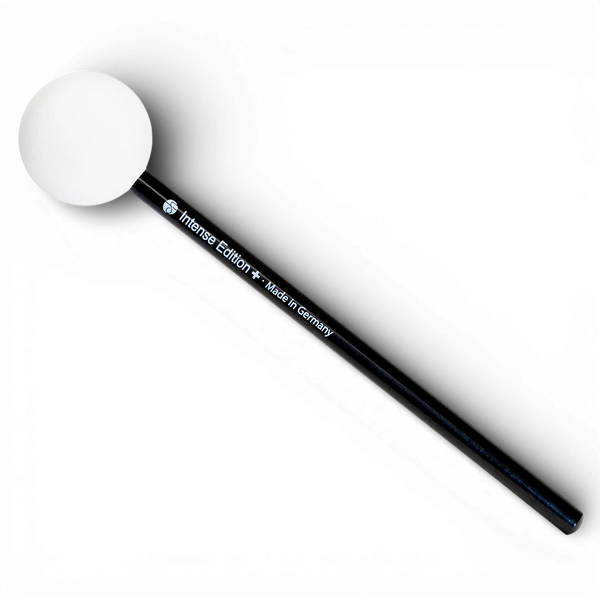 Ollihess
Ollihess Intense Edition+ Friction Mallets
50mm–70mm · 3 sizes · 3 in stock
From$69 -
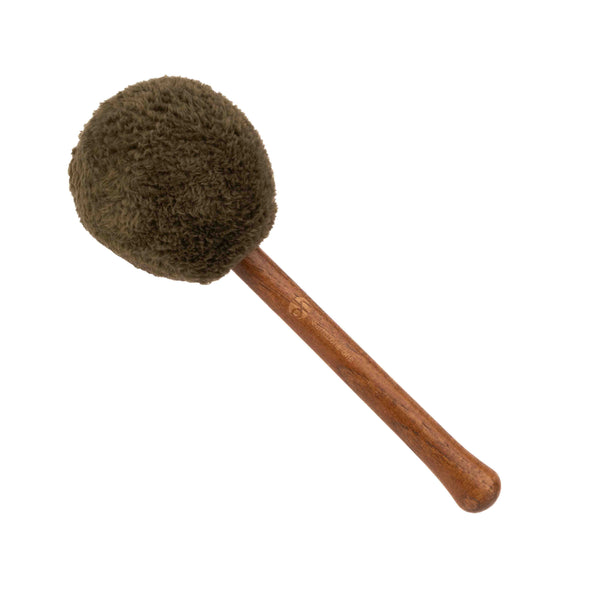 Ollihess
Ollihess Earthtone - Gong Mallet
80mm–100mm · 2 sizes · 2 in stock
From$154 -
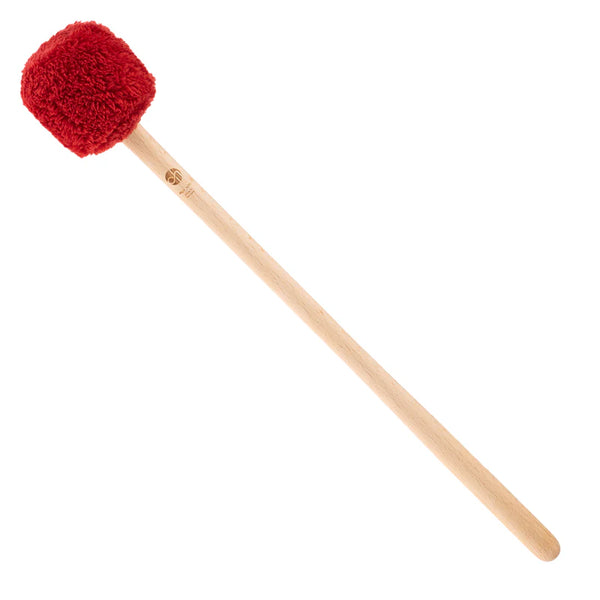 Ollihess
Ollihess M70 - Small Gong Mallet
$72 -
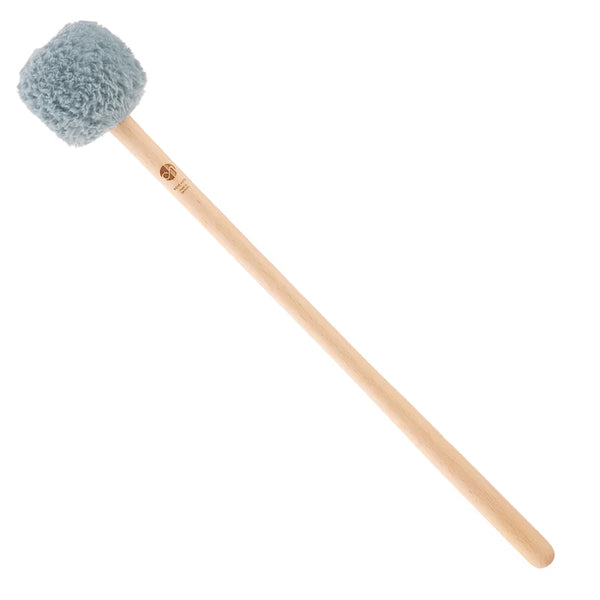 Ollihess
Ollihess M174 - Medium Gong Mallet
$125 -
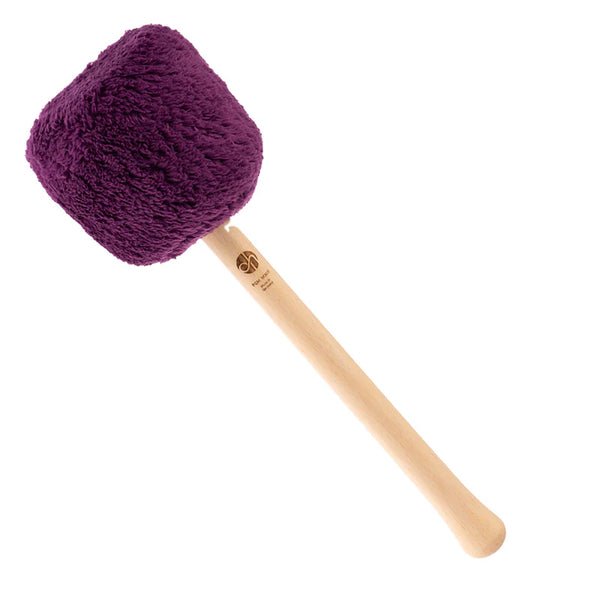 Ollihess
Ollihess M305 - Medium Large Gong Mallet
$139 -
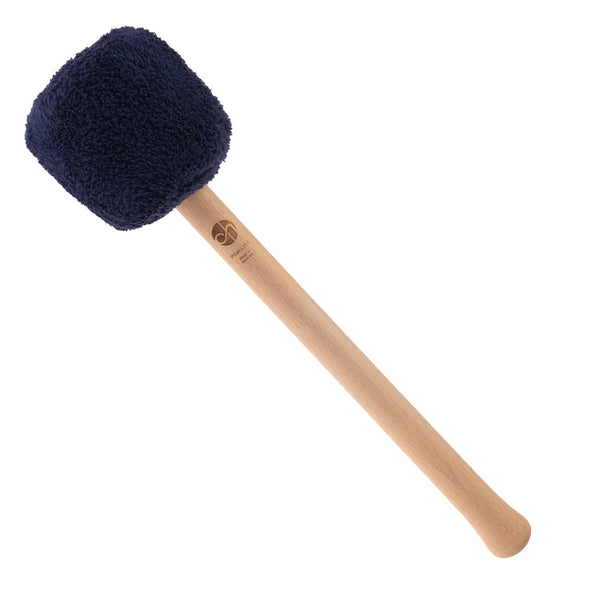 Ollihess
Ollihess L355 - Large Gong Mallet
$159 -
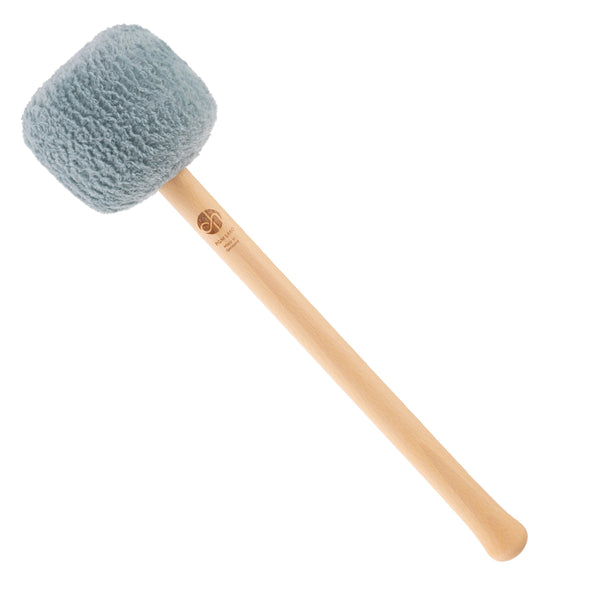 Ollihess
Ollihess L460 - Extra Large Gong Mallet
$175
Gong Mallets for Sound Healing: Strike, Friction, and Everything In Between
The right Gong Mallet does more than strike a surface. It shapes the entire tonal character of your instrument, opening up layers of resonance that may be difficult to achieve with a poorly matched mallet. This collection brings together purpose-built mallets for every playing style and gong type, from soft strike mallets for deep, warm rolls to friction mallets for sustained, singing tones. Free shipping on every order.
Why the Mallet Matters as Much as the Gong
Most practitioners invest significant time choosing the right gong and then pick a mallet almost as an afterthought. In practice, the mallet is half of the equation. Two identical gongs played with different mallets will produce noticeably different sounds, and a good gong played with a poor mallet may not produce its full tonal range. Three variables define what a mallet does to the sound:
- Head material: A soft felt or faux-fur head produces a warm, blooming tone with a smooth onset and strong fundamental, ideal for sustained sound bath and meditation applications. A firmer head creates a more defined attack and activates a broader spread of overtones, adding brightness and harmonic complexity.
- Mallet size relative to gong size: A head too small for the gong fails to activate the instrument's full resonance, resulting in a thin, underpowered tone. An oversized mallet on a smaller gong overwhelms the instrument and reduces dynamic control.
- Build quality: Mallets included with most gong purchases are chosen for general compatibility, not sonic performance. Purpose-built mallets designed and tested alongside specific gong families often produce a broader range of tonal responses.
Most professional practitioners own multiple Gong Mallets precisely because each one draws a different voice from the same instrument. Understanding these three variables is the first step toward building a toolkit that gets the most out of your gongs.
Types of Gong Mallets
Gong Mallets fall into two fundamental categories, each serving a distinct sonic purpose. Most practitioners use both types, moving between them within a single session to shape the arc and texture of the sound.
Strike Mallets
Strike mallets are the standard Gong Mallet: held in one hand and swung to contact the gong face, producing a complete sound event with a defined attack, sustain, and decay. The character of that event depends entirely on the head material:
- Soft heads (felt, wool, faux-fur) — produce a warm, rounded tone with a smooth onset and strong fundamental. A common choice for sound baths and meditation-focused sessions where depth and warmth are the priority.
- Firmer heads (rubber core beneath felt or fabric) — produce a more immediate attack and bring out higher overtones. Useful for adding brightness and harmonic complexity, or for rhythmic passages that require definition and articulation.
Friction Mallets
Friction mallets, sometimes called rub mallets or flumis, operate on an entirely different principle. Rather than being swung to strike, a friction mallet is pressed against the face of the gong and drawn slowly across the surface in circular or arcing motions. The resulting sound is continuous and evolving: a sustained, swelling tone that builds in intensity as long as the mallet maintains contact. Practitioners often describe the sound as a "whale song." Friction mallets are essential for:
- Creating atmospheric transitions and slow builds within a session
- Sustaining sound in the room between strikes without repeated impact
- Producing singing, overtone-rich tones that feel fundamentally different from any struck tone
Using Multiple Mallets in a Session
Most experienced practitioners carry two or three Gong Mallets to every session. A typical combination includes a large, soft strike mallet for opening rolls and deep foundational tones, a medium-firm strike mallet for dynamic passages with more overtone content, and a friction mallet for atmospheric builds between more percussive moments. Transitioning between these Gong Mallets throughout a session creates a complete sonic journey, creating greater tonal variety and dynamic contrast throughout a session than a single mallet can deliver.
Choosing the Right Gong Mallet
Selecting a Gong Mallet comes down to three variables: the size of your gong, the kind of sound you want to produce, and the specific instrument you are playing. Getting all three right transforms the relationship between player and instrument.
Matching Mallet Size to Gong Size
The general rule is straightforward: larger gongs need larger mallets. For handheld and smaller gongs in the 15" to 19" range, a compact mallet with a smaller head provides the right balance of activation and control. Playing these smaller instruments with a large mallet produces an ungainly, imprecise sound and can overwhelm the instrument's natural voice.
For mid-sized gongs in the 24" to 32" range, a medium mallet delivers the impact needed to activate the full face while still leaving room for dynamic variation. Larger instruments in the 34" to 40" range and above respond best to a large, heavy mallet that can move enough air to set the full diameter of the gong into resonance. As a general starting point, the mallet head should be roughly proportionate to the gong's size, and the weight should feel substantial enough to produce a full tone without requiring excessive force.
Matching Mallet Hardness to Desired Sound
Soft mallets emphasize the fundamental note and produce fewer high-frequency overtones, resulting in a deep, centered sound with a gentle bloom. They are the right choice for most therapeutic work, where warmth and steadiness are more important than complexity. Medium mallets offer a balance between attack and resonance, activating a broader harmonic range without sacrificing the grounded quality of the fundamental.
They are the most versatile option for practitioners who need a single mallet that performs across multiple contexts. Firm mallets produce a sharper attack and bring out high overtones more aggressively, which adds brilliance and intensity to the sound. They are particularly useful for passages where the practitioner wants to cut through ambient sound or create a brighter, more immediate tonal response.
Pairing Mallets with Specific Gong Models
For Grotta Sonora 19" Handheld Gongs, the Grotta Sonora Small Gong Mallet is the recommended pairing. Its wooden handle and rubber head wrapped in soft faux-fur fabric is calibrated specifically for the handheld series, producing a clear fundamental tone and layered overtones with a single controlled strike. It also works effectively in pairs on larger gongs for rolling technique.
For the Grotta Sonora Deep Gong series in larger diameters, the Grotta Sonora Large Gong Mallet provides the mass and surface area needed to activate the full face. For Raven Sounds gongs and versatile use across most models, the Cosmic Tones Mallet by Raven Sounds is the recommended starting point, designed in-house specifically to enhance overtone production across the gong families stocked on this site.
The Cosmic Tones Mallet by Raven Sounds
The Cosmic Tones Mallet is a gong mallet designed and handmade in the USA by Raven Sounds, developed specifically to enhance overtone production from the gong families carried in this collection. It is the mallet included as a complimentary addition with Raven Sounds gong purchases, and it is available separately for practitioners who want to add it to their toolkit.
What distinguishes the Cosmic Tones Mallet from the generic mallets bundled with most gong purchases is the intentionality behind its construction. Standard included mallets are designed for broad compatibility and functional adequacy. The Cosmic Tones Mallet is designed for sonic performance, tested against the specific instruments sold here to help optimize overtone response across those gong families.
The result is a fuller, more layered sound with greater dynamic range and a more nuanced playing experience. For practitioners who already own a Raven Sounds or Grotta Sonora gong and have been using a generic mallet, upgrading to the Cosmic Tones Mallet is a practical way to explore a broader range of tones from an instrument they already have.
Why Buy Gong Mallets from Raven Sounds?
Every Gong Mallet in this collection has been selected and tested alongside the gongs sold on this site. That means the pairing recommendations here are based on direct experience with the instruments, not on generic compatibility charts. When a product listing recommends the Grotta Sonora Small Gong Mallet for a specific handheld gong, it is a recommendation that has been validated with that exact instrument family.
Practitioners who purchased their gong here will find that the mallets in this collection are already matched to their instrument. For those browsing the Grotta Sonora Gongs collection, each product listing includes specific mallet recommendations to take the guesswork out of pairing.
For practitioners exploring the full range of bronze and wind-style gongs available in the Raven Sounds Gongs collection, the Cosmic Tones Mallet is included complimentary with every gong purchase and is also available as a standalone addition to any toolkit.
All orders ship free across the United States with hassle-free returns, making it easy to add the right mallet to your practice without risk.
Frequently Asked Questions About Gong Mallets
Here are answers to the questions practitioners and new gong owners ask most often when selecting Gong Mallets.
What is the difference between a strike mallet and a friction mallet?
A strike mallet is swung to contact the gong face, producing a tone with a defined attack, sustain, and decay. A friction mallet is drawn slowly across the gong surface to create a continuous, swelling, singing tone that lasts as long as the mallet maintains contact. Strike mallets are used for most standard playing; friction mallets are used for atmospheric, sustained sound and "whale song" effects.
How do I know which mallet size fits my gong?
Match the mallet size to your gong diameter. Small mallets suit handheld and 15"–19" gongs; medium mallets are appropriate for 24"–32" instruments; large mallets are needed for 34" and above. Using a mallet that is too small results in a thin, underpowered tone. Each product listing in the Raven Sounds gong collections includes a specific mallet recommendation for that instrument.
Do I need more than one Gong Mallet?
Most practitioners benefit from at least two Gong Mallets: one soft strike mallet for warm, foundational tones and one friction mallet for sustained passages and atmospheric builds. A third medium or firm strike mallet adds flexibility for sessions that call for brighter overtones or more rhythmic definition. Starting with two and expanding based on your playing needs is a practical approach.
What makes the Cosmic Tones Mallet different from a standard mallet?
The Cosmic Tones Mallet is handmade in the USA by Raven Sounds and designed specifically to enhance overtone production from the gong families sold on this site. It is built for sonic performance rather than generic compatibility, and may provide a different tonal response than general-purpose mallets.
Can I use the same mallet on different gong types?
A mallet calibrated for one gong size will work on others but may not perform optimally. The Cosmic Tones Mallet is a versatile option that performs well across most gong types and sizes in the mid-to-large range. For Grotta Sonora handheld gongs, the Grotta Sonora Small Gong Mallet is purpose-matched to that specific instrument family and produces noticeably better results than a generic alternative.
Are mallets included when I buy a gong from Raven Sounds?
A complimentary Cosmic Tones Mallet is included with every Raven Sounds gong purchase. Grotta Sonora gongs are sold as standalone instruments without a mallet, and specific mallet pairings are recommended on each product listing. Purchasing the correct mallet alongside a Grotta Sonora gong helps achieve an appropriate tonal response from the instrument from the first session.
Gong Mallets are the most direct point of contact between a practitioner and their instrument, and choosing the right one meaningfully changes what the gong can do. Whether you are adding a friction mallet to your toolkit for the first time, replacing a generic mallet with a purpose-built option, or building out a complete set for professional sessions, this collection has the right match for your gong and your practice.